
In today's fast-paced world, adult massage has emerged as a sought-after practice for stress relief and holistic well-being. As the demand for these services grows, understanding the safety protocols, legal considerations, and ethical standards within the adult massage industry becomes increasingly critical. This comprehensive guide delves into the intricate aspects of adult massage, offering insights that range from consent and client care to business management and the latest trends. By exploring these topics, we aim to empower both clients and therapists, fostering a safe, respectful, and beneficial adult massage experience. Let's embark on this journey to demystify and elevate the standards in this thriving industry.
- Navigating Legalities: Adult Massage Business and Rights
- Understanding Consent and Client Care in Adult Massage
- Techniques, Benefits, and Ethical Considerations in Adult Massage Therapy
Navigating Legalities: Adult Massage Business and Rights
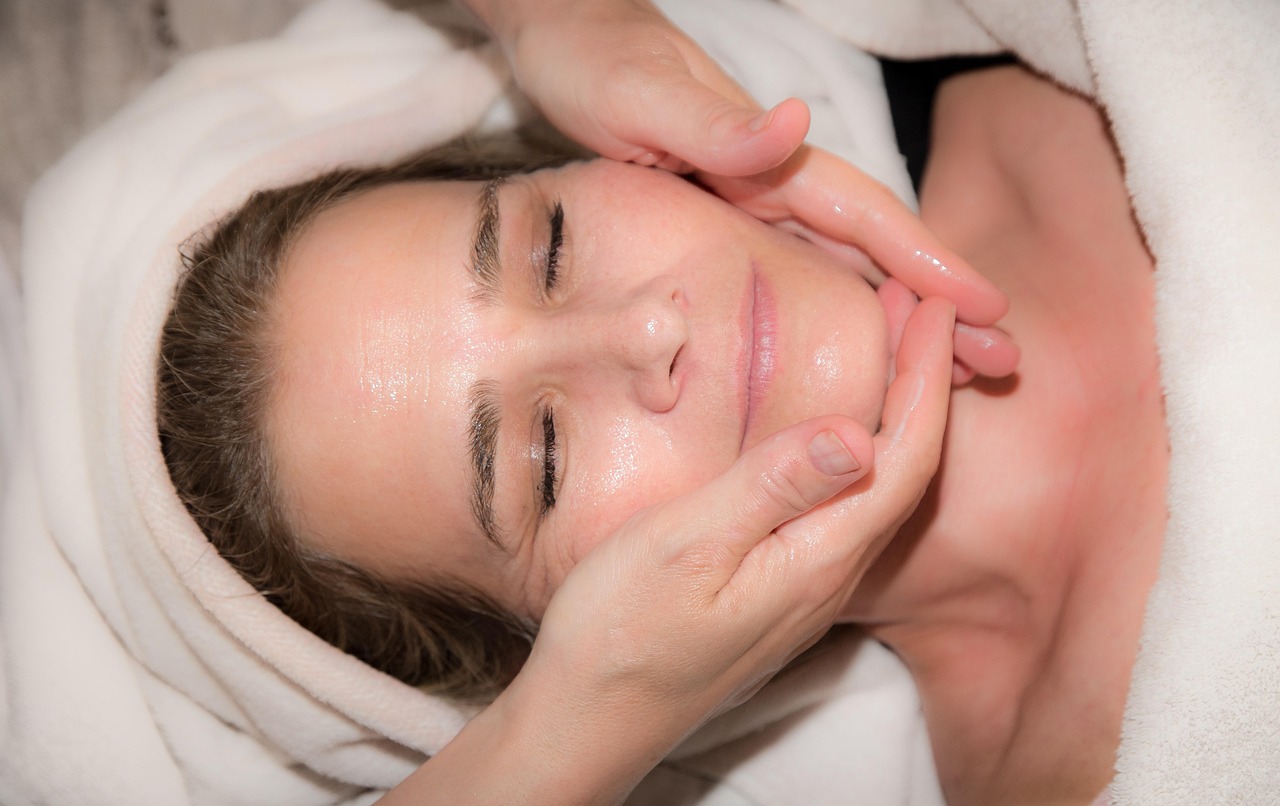
Navigating the legal landscape is a critical aspect of owning or working in an adult massage business. Understanding your rights and responsibilities ensures compliance, fosters ethical practice, and ultimately supports therapeutic body rub as a valuable form of touch therapy. In many jurisdictions, adult massage therapists operate within a regulated healthcare sector, requiring specific licenses and permits to practice. For instance, Canada's massage therapy regulatory bodies mandate that practitioners adhere to strict standards of education, training, and ethics.
In supporting ethical massage therapy, it's essential to recognize the distinction between legitimate adult massage services and those that mask as such for illegal activities. Empowering adults through touch should always be within legal boundaries, promoting safety, consent, and mutual respect. Businesses must clearly communicate their services, pricing, and policies to clients, ensuring transparency. For example, in Ontario, businesses like those located at 25 Kelfield Street Etobicoke ON M9W 5A1 must display licensing information and adhere to local health regulations regarding sanitation, infection control, and staff training.
Marketing adult massage services is subject to legal limits, with restrictions on advertising explicit content or promoting illegal activities. Businesses should focus on highlighting therapeutic benefits and professional practices. Effective communication strategies, such as providing detailed service descriptions and client testimonials, can attract clients seeking legitimate, empowering experiences. Moreover, therapists should maintain thorough records, obtain informed consent from clients, and be prepared to navigate any legal queries or concerns that arise during their practice.
Understanding Consent and Client Care in Adult Massage
In the realm of adult massage, understanding and obtaining informed consent from clients is paramount. This involves a nuanced conversation where therapists clearly communicate services, boundaries, and expectations. Sensual massage treatments, when conducted ethically, foster an environment of trust and empowerment. Therapists must be adept at reading body language, understanding client comfort levels, and honoring personal limits. For instance, a client may prefer lighter touch or specific areas to be avoided, and these requests should be respected without judgment.
Client care in adult massage therapy extends beyond the physical. It involves recognizing and addressing emotional and psychological aspects. Many seek intimate body-work sessions as a form of self-care or for their therapeutic benefits, such as stress relief and improved sleep quality. Massage therapists play a crucial role in creating a safe space where clients can feel seen, heard, and respected. ON M2H 3M6, reputable massage businesses prioritize client feedback, ensuring therapists adapt their techniques to meet individual needs.
Building trust is essential for a positive adult massage experience. Therapists should maintain professional boundaries while offering a personalized, comforting atmosphere. This includes using appropriate communication, maintaining confidentiality, and adhering to legal guidelines. For example, therapists must be aware of legal limits on marketing adult massage services, ensuring promotions are tasteful and respectful. Additionally, staying informed about the latest research on massage benefits and different styles allows therapists to provide evidence-based care, enhancing client satisfaction and outcomes.
Techniques, Benefits, and Ethical Considerations in Adult Massage Therapy

In the realm of adult massage therapy, techniques and ethical considerations intertwine to create a harmonious balance between sensual relaxation and professional responsibility. Sensual massage treatments, tailored to individual needs, offer profound benefits for stress relief, muscle tension, and emotional well-being. Techniques such as Swedish massage, deep tissue manipulation, and acupressure are used to promote circulation, alleviate discomfort, and induce a state of tranquility. For instance, a study published in the Journal of Bodywork and Movement Therapies found that regular adult massage sessions significantly reduced levels of cortisol, the stress hormone, among participants.
However, beyond the physical benefits lies a crucial aspect: understanding and obtaining informed consent from clients. Adult consent workshops equip therapists with the knowledge to navigate sensitive discussions around boundaries, preferences, and limitations. This ensures every session respects the autonomy and comfort level of the client, fostering a discreet adult wellness environment. For example, therapists should be adept at recognizing and addressing non-verbal cues, ensuring that all interactions are consensual and within acceptable professional boundaries.
Building trust is paramount in adult massage therapy. Therapists must maintain open communication, educate clients on expected behaviors, and provide clear guidelines for what constitutes an appropriate session. At Perla Spa (416) 661-7887, we prioritize client feedback as a cornerstone of our practice. Regular consultations post-sessions allow us to refine our techniques and tailor services to meet individual needs effectively. By integrating ethical considerations into daily practices, therapists can enhance not only the physical benefits of massage but also contribute to the emotional healing and well-being of their clients.
After delving into the multifaceted world of adult massage, it's clear that navigating this industry requires a delicate balance between legal adherence, ethical practice, and exceptional client care. Key takeaways include the paramount importance of consent, understanding different massage styles, and prioritizing client safety and comfort. For businesses, navigating the legal landscape, including licensing, marketing, and client privacy, is essential for sustainability. Therapists must stay informed about their rights and responsibilities, ensuring a safe and beneficial experience for all clients. Among the many benefits of adult massage, stress relief and emotional healing top the list, making it a valuable tool for self-care. Moving forward, therapists and businesses alike should focus on continued education, adopting best practices for hygiene and sanitation, and fostering an inclusive environment that debunks stigma and taboos. By embracing these principles, the adult massage industry can thrive, offering transformative experiences that enrich clients' lives.
Adult Massage Business: Navigating Legalities, Ethics, and Client Care
- Legal Landscape: Understand regulations, licenses, and permits required for adult massage therapy in your jurisdiction (e.g., Canada's massage therapy regulatory bodies). Adhere to local health regulations on sanitation, infection control, and staff training.
- Ethical Practice: Distinguish legitimate adult massage services from illegal activities. Promote safety, consent, and mutual respect. Avoid explicit advertising; focus on therapeutic benefits and professional practices.
- Client Consent & Care: Obtain informed consent, communicate services clearly, and respect client boundaries. Address emotional and psychological aspects of therapy. Build trust through appropriate communication, confidentiality, and adherence to legal guidelines.
- Techniques & Benefits: Utilize techniques like Swedish massage, deep tissue manipulation, and acupressure for stress relief and physical well-being. A study in the Journal of Bodywork and Movement Therapies showed significant reduction in cortisol levels among regular adult massage clients.